


Curated by Melissa Camilli
What makes a photograph unique in the age of AI? A reflection on the value of photography, the experience behind each shot, and the artistic practice of LOOP’s photographers.
What gives a photograph its unique value today, when we can generate images without even switching on a camera? Artificial intelligence has made this question more pressing. An image can depict something that never happened and still be powerful, moving and meaningful. To understand what continues to distinguish photography, we need to look beyond what we see and consider how it came into being.
Every photograph involves an act of construction. Choosing a frame means leaving something out; staging a scene or working in postproduction means shaping a vision. Digital tools have expanded these possibilities, while AI has introduced the ability to generate entirely synthetic images. Seemingly similar results can therefore emerge from profoundly different processes. Understanding them changes how we read an image, drawing our attention to the work that shaped it.
In photographic practice, it begins with a tangible experience: waiting for the right light or building a set comes before a shot whose outcome remains open to chance. Even the most carefully planned scene must contend with a reality that can resist the photographer’s intentions: a body moves, a shadow shifts, something slips away. The time invested in a photograph begins long before the shutter is pressed, and the image carries a trace of that encounter.
Part of photography’s distinctiveness lies here: in its connection to something that existed in front of the lens, even when a similar image could be generated from a text prompt. Reproducing a photograph does not erase that connection: multiple prints preserve the trace of the same unrepeatable encounter between a particular way of seeing and the world.
That connection alone, however, does not make a photograph a work of art. Its artistic value develops through the photographer’s creative inquiry, which transforms an experience into a vision that engages the viewer. The print gives that vision a physical form: its size and material become part of the work’s language and shape how we perceive it.
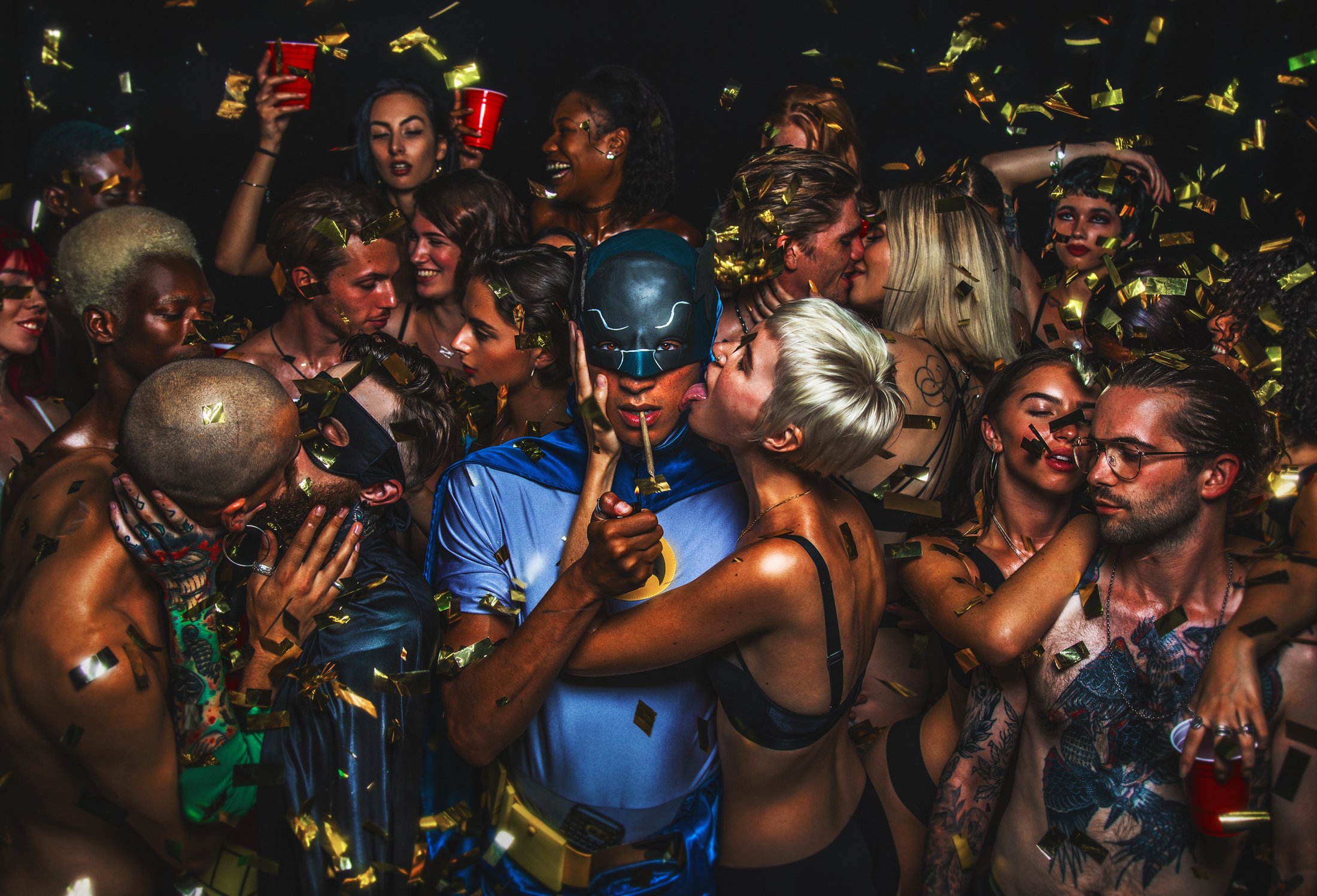
This attention to process also informs the curatorial approach at LOOP, Deodato Arte’s new space in Milan dedicated to contemporary photography. Its selection brings together photographers with distinct visual languages, open to digital experimentation and attentive to the relationship between an idea and its execution. In the compositions of Anna Devís and Daniel Rueda, for example, the precision of the geometry might suggest digital manipulation. Yet their scenes take shape in real spaces, through carefully considered relationships between objects, bodies and architecture. In Haris Nukem’s work, staging takes on a theatrical dimension: colour and references to classical painting shape narratives of identity and belonging. Here too, what may seem unreal emerges from an artistic vision brought to life in front of the lens.
Encountering photography through LOOP also means discovering what an image alone does not reveal. Understanding how it came into being adds depth to our reasons for choosing and collecting it. What enters our homes is also the trace of an experience: someone stood before that fragment of the world and found a way to bring it to us.